Best Medical Marketing Agencies in the Netherlands
Each agency listed here has an office in the Netherlands and shows healthcare work on its own site, from dental groups and aesthetic clinics to hospitals and pharma brands. Below the list: how basic insurance shapes who advertises, the Medicines Act ban the IGJ enforces, and the cookie rules the AP is policing.
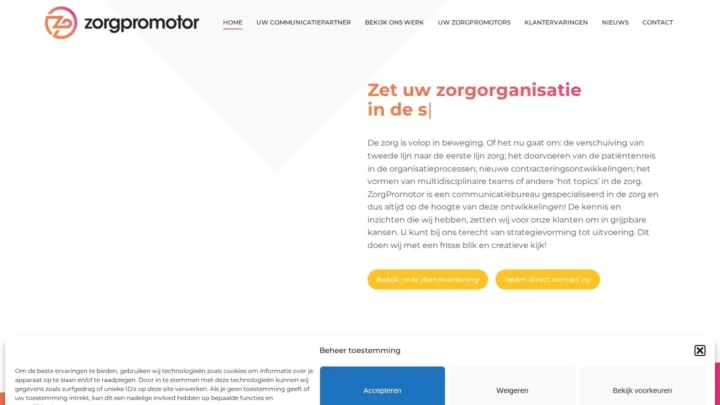
Meppel agency specializing in healthcare and youth care marketing, offering strategy, branding, websites, content, SEO, ads and labor market campaigns.
Best for
Regional care, youth care and social-domain organizations needing recruitment campaigns and ongoing marketing support
Specialties
Mental Health, Hospitals and Health Systems, Senior Living, Medical Devices
Woerden marketing consultancy using customer journey research to help Dutch care, education and employer brands with strategy, campaigns and interim marketers.
Best for
Care organizations wanting client journey research and a marketing strategy before choosing campaigns
Specialties
Mental Health, Hospitals and Health Systems, Home Health and Hospice
Pricing
Custom; projects, temporary support, prepaid hour cards (strippenkaart) or a fixed team
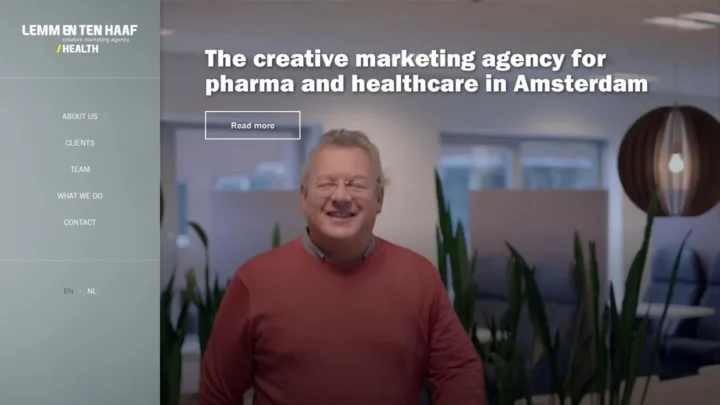
Amsterdam creative agency label for pharma and healthcare, handling strategy, concept, medical copy, web, video and online campaigns for HCPs and patients.
Best for
Pharma marketers wanting a creative partner for HCP and patient campaigns with in-house production
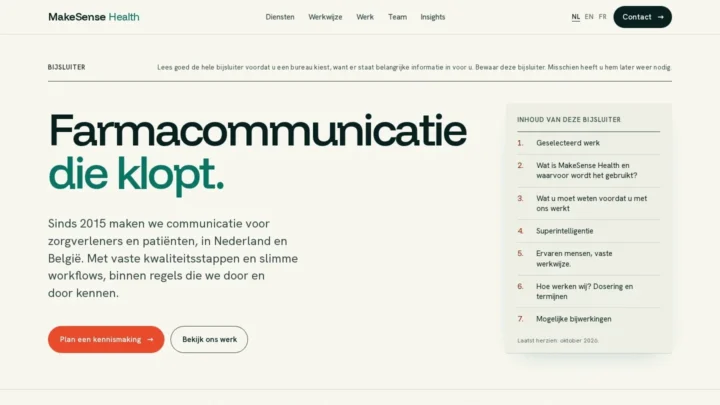
Amsterdam pharma and healthcare communications agency creating HCP campaigns, patient education, films, platforms and SEO for Dutch and Belgian markets.
Best for
Pharma brand teams in the Netherlands and Belgium needing HCP and patient programs that pass medical review
Specialties
Dermatology, Hospitals and Health Systems, Pharma and Life Sciences
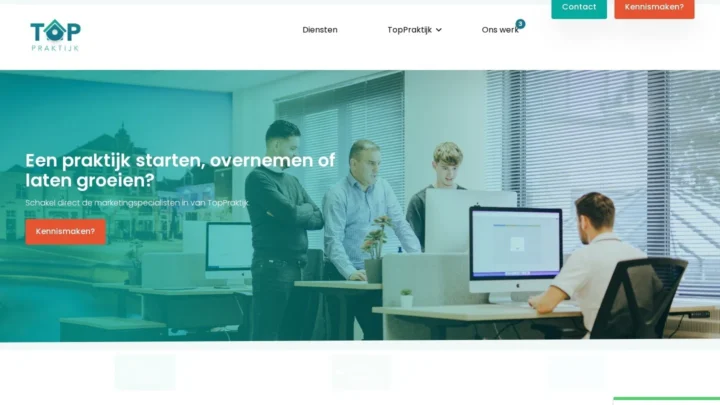
Goes communications agency helping dental, physiotherapy and other care organizations with branding, websites, video, online visibility and staff recruitment.
Best for
Dental practices and regional care organizations wanting branding, video and steady social content from one team
Specialties
Dental, Physical Therapy, Medical Practices
Pricing
Online visibility subscriptions (Instap, Get personal, Advanced); prices not published
Custom quotes; free second opinion on marketing communication
Pricing and terms as of each profile’s last verified date.
Prescription Drug Ads and the 2026 Newspaper Fines
The Dutch Medicines Act (Geneesmiddelenwet) forbids consumer promotion of any medicine sold only on prescription, and the Health and Youth Care Inspectorate (IGJ) reads that ban broadly. During 2026 it fined several national newspapers over articles about Ozempic, Wegovy and Mounjaro, treating the coverage as consumer advertising. NOS reported in August 2026 that DPG Media, publisher of de Volkskrant and AD, received a €51,000 fine, following a €48,450 fine in April over pieces in De Stentor and Flair. In April the Amsterdam District Court sided with the inspectorate on that earlier fine, finding the articles insufficiently neutral.
A weight-loss service, aesthetic practice or online clinic that names a prescription drug in ads, landing pages or posts aimed at patients invites the same scrutiny, and the IGJ can impose administrative fines.
Non-prescription medicines may be advertised to consumers under the Code for Public Advertising of Medicines (CPG). Advertisers can put those ads to the KOAG for review in advance, and an ad with a valid KOAG authorization number is treated as compliant.
Who Pays for Care Under the Zorgverzekeringswet
Every resident has to buy basic health insurance from a private insurer under the Health Insurance Act (Zorgverzekeringswet). The compulsory deductible, the eigen risico, is €385 for both 2026 and 2027; GP visits, midwifery and several other services are exempt, and children under 18 pay none.
Most dental care for adults falls outside the basic package and is paid directly or through optional supplementary cover. That shapes who hires agencies: dental practices and groups, cosmetic and aesthetic clinics, eye laser centers and private specialist clinics compete for patients who choose, and often pay for, their own care. Drug makers aim most promotion at professionals because of the consumer ban.
Aesthetic Clinics, Influencers and the Advertising Code
The Dutch Advertising Code (Nederlandse Reclame Code), run by the Stichting Reclame Code, includes a special code for medical cosmetic treatments performed by physicians. When the sector adopted advertising rules in October 2018, led by the Dutch Foundation for Aesthetic Medicine (NSEG), the commitments were that ads would not mislead, promise results, target minors or encourage people to have too many treatments. The Advertising Code Committee (Reclame Code Commissie) hears complaints and can recommend that an advertiser stop a campaign.
Creator partnerships carry two layers. The Advertising Code for Social Media and Influencer Marketing (RSM) requires paid content to be recognizable as advertising on every platform, whatever the follower count. Under the Media Act, creators with more than 100,000 followers who post at least 24 videos a year, earn money from them and are listed with the Chamber of Commerce must register with the Dutch Media Authority (Commissariaat voor de Media) and also sign up with the Stichting Reclame Code and NICAM.
Body
Remit
Where it touches a campaign
IGJ
Medicines Act, including the consumer ban on prescription drugs
Drug names in ads, posts and editorial-style content
KOAG
Voluntary preclearance of over-the-counter medicine ads
Authorization number on approved consumer ads
Reclame Code Commissie
Dutch Advertising Code and its special codes
Cosmetic treatment claims, creator disclosure
Autoriteit Persoonsgegevens
GDPR (AVG) and tracking cookies
Consent before pixels and analytics load
Cookie Banners Under Watch by the Dutch DPA
Health data is a special category under the GDPR, known in Dutch as the AVG, and the Autoriteit Persoonsgegevens (AP) supervises it. A tracking cookie may only be set once a visitor has freely consented on the basis of clear, correct information. The AP has looked at healthcare before: in 2016 it wrote to 39 hospitals after concluding that nearly half of Dutch hospitals were placing tracking cookies unlawfully. In November 2025 it said about three quarters of the more than 200 websites it had warned over their cookie banners had changed them, and it began enforcement against those that had not.
Our Screening of Dutch Agencies
A firm appears here only after we confirmed a staffed office in the Netherlands. We then looked for healthcare clients or case studies on its own website and matched the services in its profile to what it actually sells. Payment has no bearing on where a firm ranks.
Finding an Agency for Dutch and International Patients
Patient copy needs native Dutch writers who know medical terms, and clinics with expat patients in cities such as Amsterdam, The Hague or Eindhoven may also want English pages. Google handled 89.6% of Dutch searches in October 2026 by StatCounter’s count, with Bing at 4.64%, so Business Profiles and Maps listings matter at every location. ZorgkaartNederland, run by the Dutch Patients Federation (Patiëntenfederatie Nederland), held nearly 2 million patient experiences and drew about 1 million visitors a month as of April 2025, and since autumn 2025 it has published only verified reviews collected through providers or research agencies.
Drug names: Who screens every ad, post and blog for prescription medicines, and will they send over-the-counter ads to the KOAG?
Codes: How do they apply the cosmetic treatments code and the RSM when briefing creators?
Consent: Can they show that analytics and ad pixels wait for a visitor’s opt-in?
Processing agreement: Will they sign a verwerkersovereenkomst covering patient inquiries and form data?
Accounts and exit: Are the advertising accounts registered to your practice, what does a monthly report contain, and how much notice do you need to give?
Frequently Asked Questions
Can a Dutch clinic advertise Ozempic or Wegovy?
No. Under the Medicines Act no prescription drug may be promoted to consumers, and the IGJ enforces that strictly. In 2026 the inspectorate fined national newspapers for articles about Ozempic, Wegovy and Mounjaro that it judged to be advertising, and a court backed one of those fines. A weight-loss clinic can describe its program and its doctors, but should keep drug names out of ads, landing pages and social posts.
Are aesthetic clinics in the Netherlands allowed to advertise Botox?
Only the treatment, never the brand, because botulinum toxin products are prescription-only medicines under the Medicines Act. Clinics can advertise the treatment area and consultations. They also fall under the Dutch Advertising Code’s special code for medical cosmetic treatments by physicians, which grew out of 2018 sector rules against misleading claims, promised results, targeting minors and encouraging too many treatments. Complaints go to the Reclame Code Commissie.
Do influencers promoting a clinic need to register in the Netherlands?
Some do. Under the Media Act, creators with more than 100,000 followers who post at least 24 videos a year, earn money from them and are registered with the Chamber of Commerce must register with the Commissariaat voor de Media, the Stichting Reclame Code and NICAM. Every creator, whatever their reach, must make paid content recognizable as advertising under the RSM code. Drug names stay off limits in creator posts too.
Does a Dutch clinic website need consent for tracking cookies?
Yes. A tracking cookie may only be placed after a visitor gives free consent based on clear and correct information, and the Autoriteit Persoonsgegevens is actively checking banners. In November 2025 it reported that about three quarters of the more than 200 websites it had warned had fixed their banners, and it moved to enforcement against the rest. Health inquiries submitted through forms also count as special category data under the AVG.
What is ZorgkaartNederland and why does it matter for clinics?
ZorgkaartNederland is the patient review site of the Dutch Patients Federation, covering hospitals, GPs, dentists, physiotherapists and other providers. It held nearly 2 million patient experiences and drew about 1 million visitors a month as of April 2025. Since autumn 2025 it publishes only verified reviews gathered through the provider or a research agency, so clinics need a process for inviting patients rather than relying on spontaneous posts.
Not Sure Which Agency Fits?
Tell us about your practice, budget and goals. We will suggest agencies from this directory that match, and you decide who to contact.