
The chiropractor PPC strategies that work best in 2026 are about control. Build ad groups around the conditions patients search for, such as sciatica and neck pain. Keep the radius tight, block job and school searches, and send each click to a page about that one condition. Then measure new-patient visits instead of form fills, and run ads only when someone can answer the phone.
Below are nine advanced tactics, each with the setup steps, sample ad copy we wrote and the official Google Ads help page that shows where the setting lives. Before the tactics, a short Python model shows what a new patient costs from Google Ads under different assumptions. It uses LocaliQ’s chiropractic benchmark from 2020 to 2021 and its broader 2026 benchmark for physicians and surgeons, with every other input labelled as an assumption.
Nine Chiropractic Google Ads Tactics in One List
- Condition-based ad groups for sciatica, neck pain, headaches and auto injuries.
- A radius of a few miles with Presence targeting, and responsive search ads with call assets now that call-only ads are going away.
- Shared negative keyword lists for jobs, schools, DIY and free-information searches.
- One landing page per condition with the same words as the ad.
- Offers that pass Google’s Unreliable claims review and state rules such as Florida’s 72-hour free-exam statement.
- Search first, Performance Max second, using Google’s own priority rules.
- Offline imports of booked visits, set up with privacy review, and ad schedules matched to call answer rates, with remarketing planned around Google’s health audience limits.
What One New Chiropractic Patient Costs From Google Ads
Chiropractic is thin on recent public benchmarks. The most specific figures come from LocaliQ’s healthcare report, which covered 2,838 North American campaigns from May 2020 to June 2021. Chiropractic care had a $5.42 cost per click, a 4.09% click-through rate and a $57.97 cost per lead on search (LocaliQ). LocaliQ’s 2026 cross-industry report, published May 26, 2026, puts physicians and surgeons at a $40.04 cost per lead (LocaliQ).
A lead is still not a patient. Some callers never book, and some who book never show. Our model turns cost per lead into cost per new patient using two sets of front desk rates. Both sets are assumptions.
# Cost per lead inputs (sourced) and one stress case (assumption)
cpls = {"Physicians & Surgeons, LocaliQ 2026": 40.04,
        "Chiropractic, LocaliQ 2020-21": 57.97,
        "Stress case (assumption)": 80.00}

# Front desk rates (assumptions): lead to booked, booked to showed
baseline = (0.60, 0.80)
improved = (0.75, 0.88)

for name, cpl in cpls.items():
    base = cpl / (baseline[0] * baseline[1])
    better = cpl / (improved[0] * improved[1])
print(name, round(base, 2), round(better, 2))| Cost per lead input | Baseline cost per new patient | Improved front desk | Difference |
|---|---|---|---|
| $40.04 (Physicians and Surgeons, 2026) | $83.42 | $60.67 | $22.75 |
| $57.97 (Chiropractic, 2020 to 2021) | $120.77 | $87.83 | $32.94 |
| $80.00 (stress case, assumption) | $166.67 | $121.21 | $45.46 |

On a $2,000 monthly budget at the chiropractic benchmark, the baseline brings about 34.5 leads and 16.6 new patients. The improved front desk turns the same leads into about 22.8 new patients. That gap comes from the phone and the schedule, not the ad account.
To judge whether the cost is acceptable, compare it with the gross profit a new patient brings in the first few months. Suppose, as an assumption, a new patient averages 8 visits at $65 with a 35% margin. That is $182 of contribution, so any cost per new patient under $182 pays back inside the care plan. Use your own visit count, fees and margins, since these vary a lot between cash, insurance and auto injury clinics.
For more benchmark context, our healthcare PPC statistics page compares costs across specialties.
1. Split Campaigns Into Condition Ad Groups for Sciatica, Neck Pain and Headaches
A searcher typing “chiropractor for sciatica” and one typing “chiropractor near me” want the same clinic but respond to different ads. Put each condition in its own ad group with tightly themed keywords. The ad can then repeat the searcher’s words, and the search terms report shows which conditions bring patients at a fair cost.
Start with four to six ad groups based on the conditions your clinic treats most. Use phrase and exact match for the core terms, then review search terms weekly for the first month. We wrote the sample copy below for a fictional clinic to show the pattern.
| Ad group | Sample keywords | Headline ideas | Description idea |
|---|---|---|---|
| Sciatica | chiropractor for sciatica, sciatica chiropractor near me | Sciatica Care in Springfield; Same-Week New Patient Visits | Exam, X-rays if needed and a care plan explained in plain words. Book online. |
| Neck pain | chiropractor for neck pain, neck pain chiropractor | Neck Pain Chiropractor Nearby; Evening Appointments | Desk-job neck and shoulder pain? Meet our chiropractors and see what care involves. |
| Headaches | chiropractor for tension headaches | Tension Headache Visits; Talk to a Chiropractor | Learn whether neck-related headaches may respond to chiropractic care. Call today. |
| Auto injury | chiropractor after car accident | Car Accident Chiropractor; We Bill Auto Insurance | Seen by a doctor after your accident? Ask how we coordinate care and paperwork. |
A Weekly Search Terms Routine for Condition Ad Groups
- Open the search terms report for the last seven days and sort by cost.
- Mark each term as a good fit, a wrong fit or unclear. A wrong fit becomes a negative keyword.
- Check whether any good-fit term deserves its own ad group, such as “pinched nerve chiropractor.”
- Compare cost per booked visit across ad groups each month and move budget toward the conditions that book.
Notice what the copy avoids. It never promises that pain will end, and it invites the patient to learn what care involves. That tone also helps with Tactic 5.
2. Draw a Tight Radius and Route Calls Through Call Assets
Most chiropractic patients will not drive far for routine visits. Google’s location targeting help page explains how to target a radius: open Locations, choose Radius, enter the clinic address and a distance of at least 1 km, then save. Google recommends Presence or interest as a general best practice. It suggests Presence, meaning people physically in the area, for businesses that only want to reach people who are there. That fits a clinic that serves walk-in neighbors.

Pick the radius from real patient data. Pull the home ZIP codes of the last 200 new patients from your practice management system and see how far most of them travel. Check what share live within 3, 5 and 10 miles, then set the radius where most of them fall. Exclude areas across a river or highway that patients do not cross, and give each clinic in a group its own campaign so budgets do not drift to the busiest location.
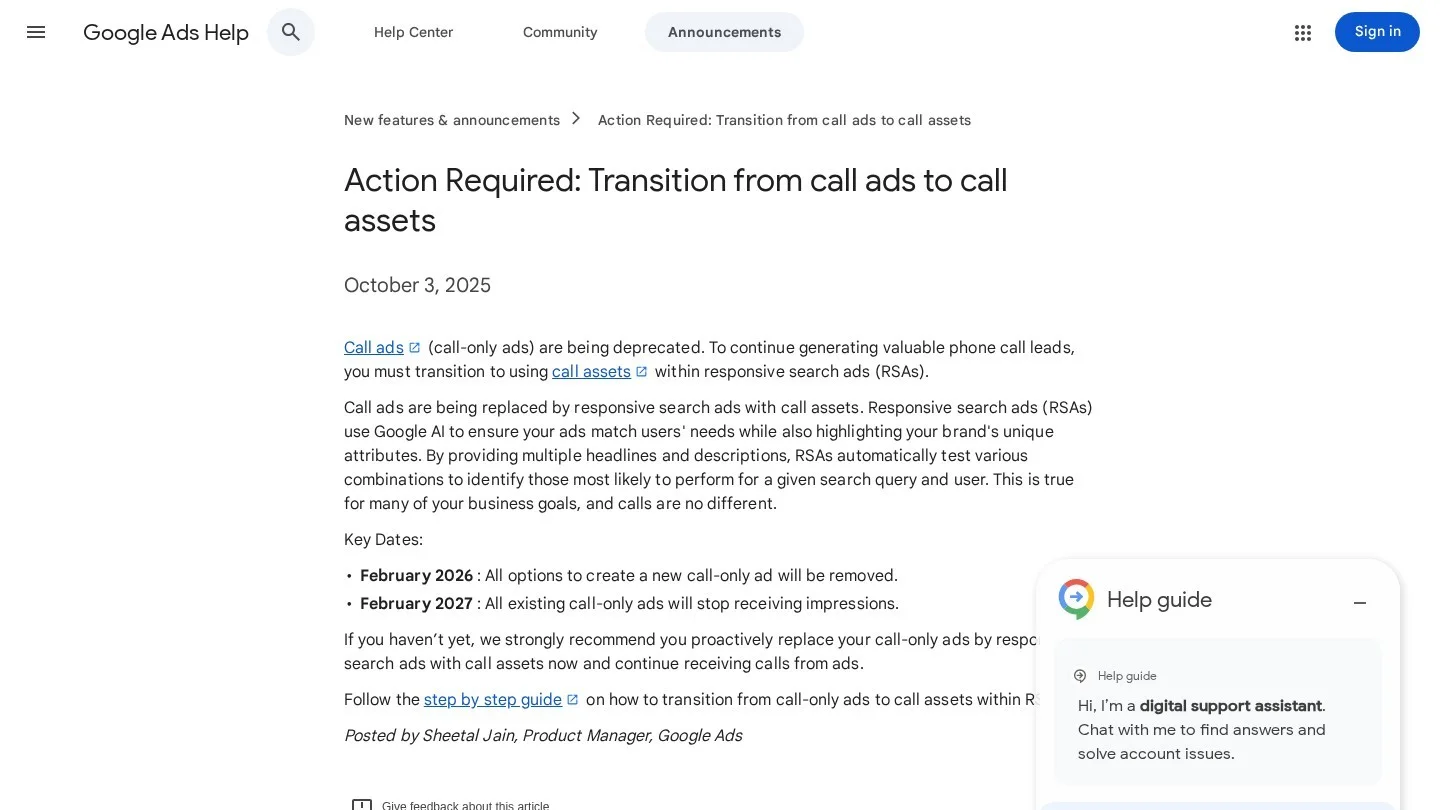
Calls matter just as much. Google is retiring call-only ads. Its help page says the option to create new call-only ads was removed in February 2026, and existing ones stop serving in February 2027. Google recommends responsive search ads with call assets instead (Google). If your account still runs call-only ads, rebuild them now so you can compare results before the old ads stop.
Call assets also need call reporting turned on. Google’s phone call conversion page says tracking calls from ads requires Google forwarding numbers and lets you set a minimum call length that counts as a conversion. Pick a length long enough to filter out wrong numbers and short sales calls, then check it against your own call recordings.

3. Block Job, School and Home-Remedy Searches With Shared Negative Lists
Chiropractic keywords attract many searchers who will never book. Students search for chiropractic schools. Job seekers search for chiropractor jobs and salaries. Others want stretches they can do at home. Google lets you build up to 20 negative keyword lists per account, each with up to 5,000 terms, and apply a list to many campaigns at once (Google). A change to the list then applies everywhere it is shared.

| Shared list | Example negative terms | Why it helps |
|---|---|---|
| Jobs and careers | jobs, salary, hiring, assistant, career, resume | Stops spend on people looking for work |
| Education | school, college, degree, course, CE credits, board exam | Filters students and licensed doctors studying |
| DIY and home care | stretches, exercises at home, how to crack, video, pillow | Removes people seeking free self-care tips |
| Wrong services | veterinary, animal, massage school, physical therapy jobs | Cuts near-miss searches your clinic does not serve |
| Research only | definition, history, what is, wiki, reddit | Saves budget for searchers closer to booking |
Be careful with research terms. “What is a chiropractor” might still bring a future patient, so test before blocking. Never add a term to a negative list without first checking whether it ever led to a booked visit.
4. Build One Landing Page per Condition
The ad promised sciatica care, so the page should open with sciatica, not a welcome message. A good condition page has a headline that repeats the ad, a short explanation of how the clinic evaluates the problem, the doctor’s name and credentials, insurance or price details and one booking button that stays visible on mobile.
Agency case studies show why this matters. Linear Design reports that Burkhart Chiropractic in Grand Rapids, Michigan, saw a 111% increase in conversions and a 54% lower cost per conversion in its first six months. The listed tactics included custom landing pages, granular keyword targeting and custom ad creative (Linear Design). These are the agency’s reported results, not an independent audit.

Perfect Patients, a chiropractic marketing firm listed in our directory as Perfect Patients, publishes 30-day Google Ads snapshots for client clinics. It reports 176 new patient leads at a $60.36 cost per lead for Novo Chiropractic Sports and Wellness Center, a Michigan clinic. Each campaign was paired with a new website (Perfect Patients).

Sections to Include on a Sciatica Landing Page
- A headline that matches the ad, such as “Sciatica Care in Springfield.”
- Two or three sentences on how the first visit works: history, exam, imaging only if needed, then a plan.
- The treating chiropractor’s photo, name, license and years in practice.
- Insurance accepted, cash price for the first visit and any terms of the offer.
- One booking button and one phone number, both visible without scrolling on a phone.
- Short answers to common questions, such as how many visits care usually involves at your clinic.
Landing pages also feed organic rankings, so build them once and use them twice. Our chiropractor SEO guide covers how to structure condition pages for search.
5. Write Offers That Pass Google Review and State Advertising Law
New-patient offers work, but they carry two kinds of risk. The first is Google’s review. Chiropractic clinics do not need special certification to advertise, since the certification rules in the Healthcare and medicines policy cover areas like pharmacies and addiction treatment. Claims are a different matter. The Unreliable claims policy lists “miracle cures” for ailments such as arthritis as an example of a claim Google rejects. It also requires a clear refund policy for any guaranteed result.

The second risk is state law. Florida requires any advertisement for a free, discounted or reduced-fee service by covered practitioners, including chiropractors, to carry a statement in capital letters. It tells patients they may refuse to pay, cancel payment or be reimbursed for other services performed as a result of, and within 72 hours of, responding to the ad (Florida Statutes, section 456.062). Other states have their own rules, so ask your state board or counsel before launching a free or discounted exam.
Federal rules apply when patients have Medicare or Medicaid. The HHS Office of Inspector General set the nominal value limit for gifts to those beneficiaries at $15 per item or service and $75 a year per beneficiary in December 2016 (Hall Render). A free exam worth more than that, offered to a Medicare patient, deserves a legal review first.
| Offer wording | Risk | Safer version |
|---|---|---|
| “Fix your back pain for good” | Outcome promise under Unreliable claims | “Find out what is causing your back pain” |
| “Free exam” with no conditions shown | State disclosure rules, such as Florida’s 72-hour statement | “New patient exam $49” with terms on the landing page |
| “Guaranteed relief or your money back” | Needs a clear refund policy | Remove the guarantee or publish the refund terms |
| “Free visit for seniors” | Medicare beneficiary inducement limits | Offer the same price to all patients and check with counsel |
Our guide to Google healthcare ad rules covers the wider policy set in more detail.
6. Run Search Before Performance Max and Use Google’s Priority Rules
Performance Max can serve across Google’s properties, including YouTube and Google Images (Google). For a small clinic, that reach can drift into low-intent placements. Search gives you keyword control and a clear search terms report, so most chiropractic accounts should start there.
If you add Performance Max later, know how the two campaign types interact. Google says a Search keyword is preferred over Performance Max when it exactly matches the query or its spelling-corrected form. When no keyword matches exactly, the campaign with the higher Ad Rank serves (Google). That means your exact-match condition keywords keep their traffic in Search.

Performance Max also accepts more negatives than before. In March 2025, Google raised the limit from 100 to 10,000 negative keywords per Performance Max campaign. These negatives apply to Search and Shopping inventory (PPC Land). Copy your job, school and DIY negatives into any Performance Max campaign before launch.
7. Import New-Patient Visits as Offline Conversions With Privacy Review
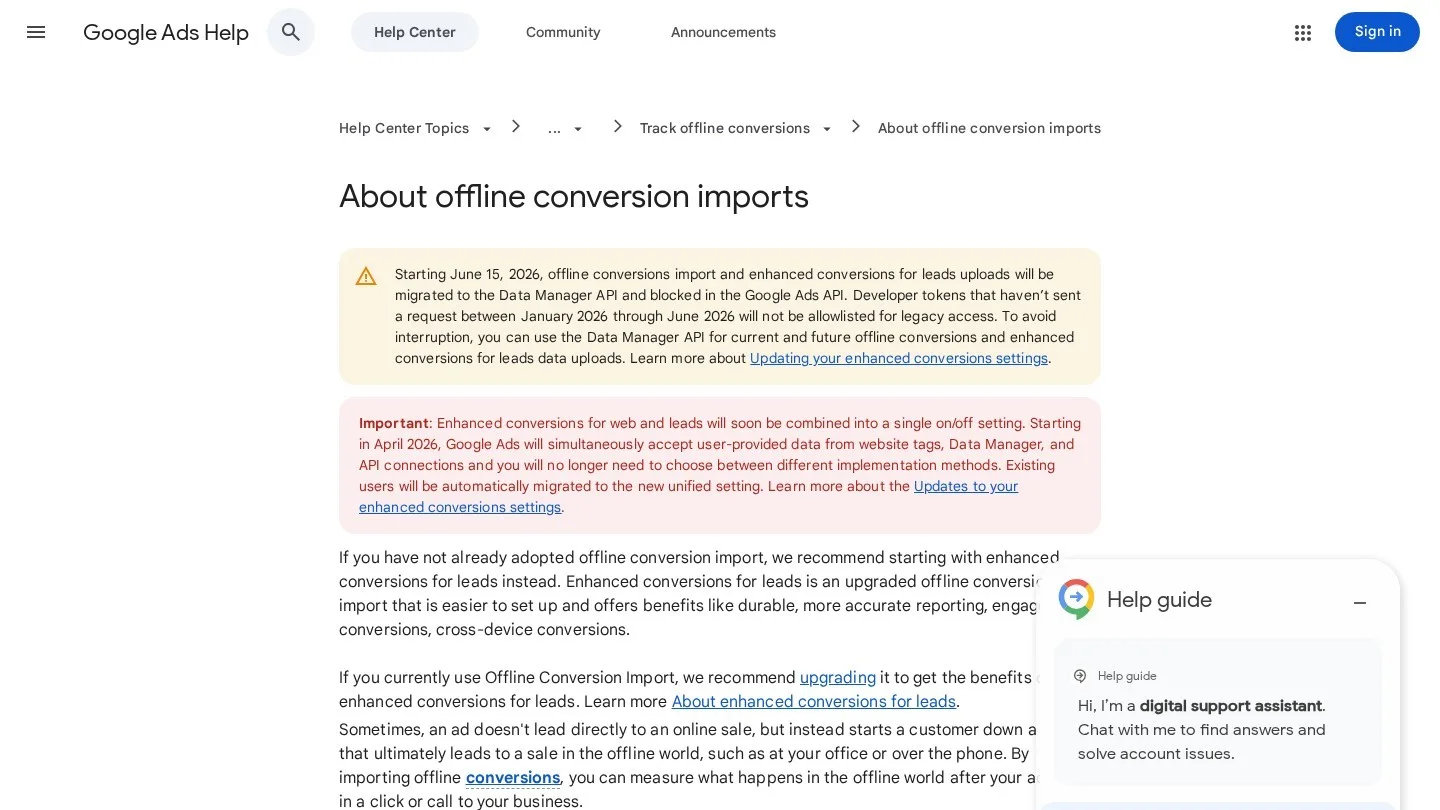
A form fill is not a patient. Offline conversion import lets you tell Google which clicks turned into something real. Google assigns each ad click a Google Click ID (GCLID). You save it with the lead and send it back with the conversion details later. Google now recommends starting with enhanced conversions for leads, which uses hashed customer data such as email addresses (Google).
This is where chiropractors need care. HHS guidance warns that tracking tools on a provider’s website can send protected health information to vendors (HHS). Uploading the fact that a person became a patient, tied to their email, is a disclosure decision for a HIPAA covered entity. It calls for a legal decision before anyone changes a setting. Have your privacy counsel approve the data flow first. Keep the conversion name generic, such as “Booked visit,” and never send conditions or visit details.
Setup Steps Once Counsel Approves
- Add a hidden field to every web form that captures the GCLID from the landing page URL.
- Store the GCLID in your intake system next to the lead, not in clinical notes.
- Create conversion actions in Google Ads named “Booked visit” and “Attended first visit.”
- Export matching records from your scheduling system each week and upload them, or connect an approved integration.
- Compare imported totals with your own visit reports every month to catch broken fields.
Once approved, import two stages: booked visit and attended first visit. Then let Smart Bidding work toward the attended stage once you have enough volume. Bidding toward real visits gives Smart Bidding a far better target than raw form fills.
8. Schedule Ads Around the Hours Your Front Desk Answers
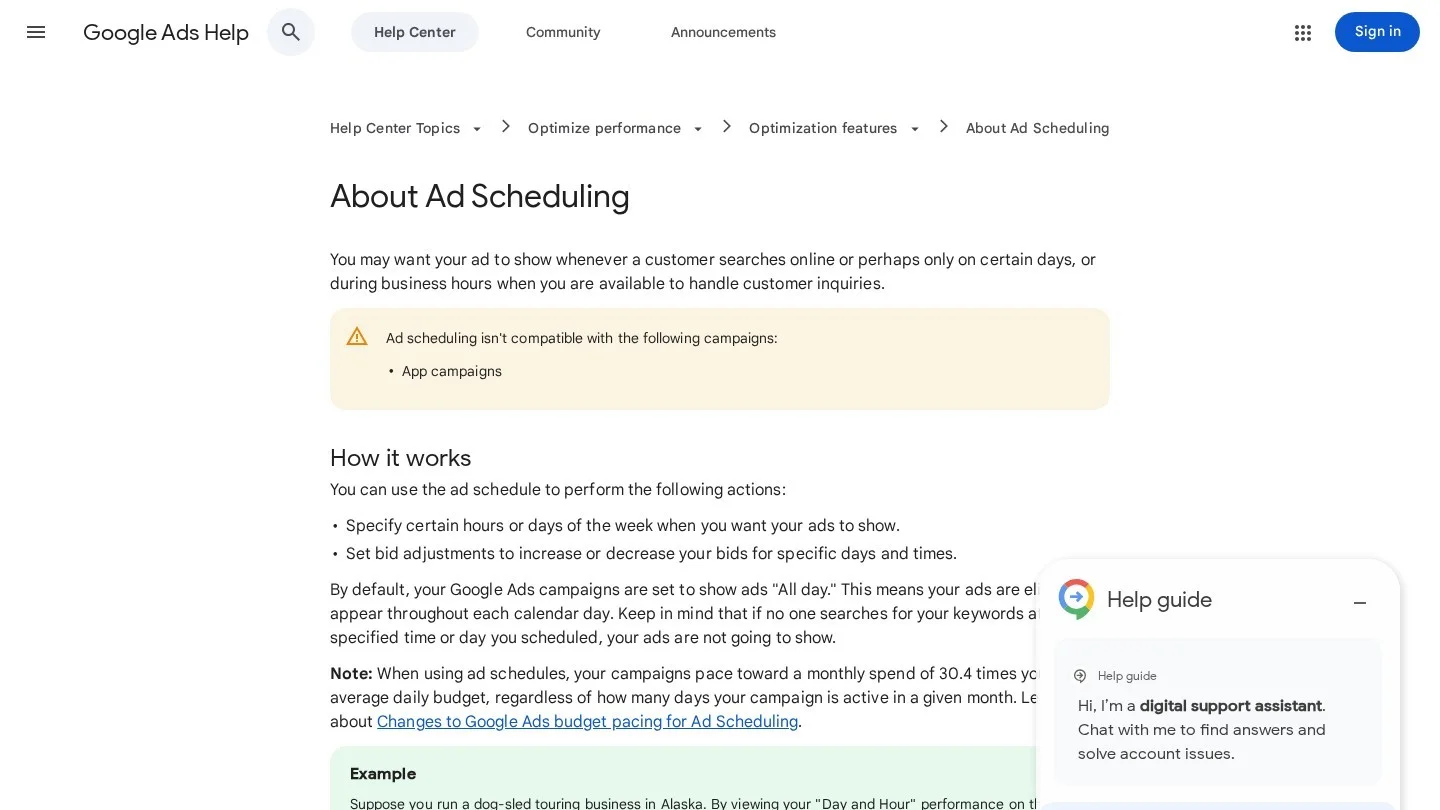
Google’s ad scheduling page explains that campaigns show ads all day by default. You can limit ads to set days and hours or adjust bids for certain times. Pacing is based on 30.4 times the average daily budget each month, so a narrower schedule spends the same budget in fewer hours.
The right schedule depends on when calls get answered, not when clicks are cheapest. Pull two weeks of call logs, group calls by hour and calculate the share answered by a person. Then work out what an answered call really costs in each block. In the model below, the cost per click is LocaliQ’s 2020 to 2021 chiropractic figure and the call and answer rates are assumptions.
cpc = 5.42  # LocaliQ chiropractic search CPC, May 2020 to June 2021
blocks = {  # block: (share of clicks that call, share of calls answered) - assumptions
    "Weekday 8am-6pm": (0.10, 0.85),
    "Weekday 6pm-9pm": (0.10, 0.45),
    "Weekend":         (0.10, 0.30),
}
for name, (call_rate, answered) in blocks.items():
print(name, round(cpc / (call_rate * answered), 2))| Time block | Answer rate (assumption) | Cost per answered call |
|---|---|---|
| Weekday 8 a.m. to 6 p.m. | 85% | $63.76 |
| Weekday 6 p.m. to 9 p.m. | 45% | $120.44 |
| Weekend | 30% | $180.67 |
To build the real version, export call logs with the date, hour, duration and whether a person answered. Group them into blocks that match your staffing, then add the ad clicks and spend for the same blocks from the Google Ads time report. The result shows which hours buy answered calls and which hours buy voicemail.
In this example, a weekend click costs nearly three times as much per answered call. You have two choices. Pause or lower bids when nobody answers, or staff those hours and keep the ads running. Forms and online booking can still capture weekend demand when phones are closed.
9. Plan Remarketing Around Google’s Health Audience Limits
Remarketing looks attractive because many patients visit a clinic site twice before booking. Google limits it for health topics. Its Health in personalized advertising policy covers ads about physical health conditions, chronic conditions and invasive procedures. For those ads, customer match, your data segments, audience expansion and lookalike segments are not supported.

Some chiropractic case studies list remarketing lists for search ads among their tactics. Linear Design’s Burkhart Chiropractic study is one example. Check every new campaign against the current policy, since ads and pages that discuss back pain, sciatica or headaches may fall within it.
Two options stay open. Google’s predefined audiences, such as in-market segments, are listed as supported with some exceptions (Google). A strong presence on social channels also keeps the clinic in front of past visitors organically. Our chiropractor social media marketing ideas cover content that brings people back without paid targeting.
Choosing Between a Chiropractic PPC Agency and Running Ads Yourself
A solo clinic with one location and a simple offer can run a Search campaign in-house, as long as someone reviews search terms weekly and checks call recordings. Hire help when you have several locations, want offline imports with proper privacy review or keep seeing leads that never book.
Questions to Put to Any Chiropractic PPC Agency
- Will you report cost per attended first visit each month, and where does that number come from?
- Who owns the Google Ads account and the conversion data if we part ways?
- How do you handle tracking on booking and intake pages, and will you sign a business associate agreement if needed?
- Which negative keyword lists do you start with, and how often do you review search terms?
- What changes do you make when calls go unanswered, and do you adjust the ad schedule for us?
Good answers are specific and tie back to booked visits. Vague promises about traffic or impressions tell you little about new patients.
Compare firms on our chiropractic PPC agencies page or the wider chiropractic marketing agencies directory. Ask each agency how it will report cost per attended visit, not cost per lead. Read how we vet agencies to see what we check, or get matched with a vetted agency.
Questions Chiropractors Ask Before Spending on Google Ads
How Much Should a Chiropractor Spend on Google Ads?
Start from the number of new patients you want and work backward. In our model, a $2,000 monthly budget at LocaliQ’s chiropractic cost per lead of $57.97 (LocaliQ) brings about 17 to 23 new patients, depending on front desk performance.
Do Chiropractors Need Certification to Run Google Ads?
No special certification is needed for a chiropractic clinic advertising its own services. The certification programs in Google’s Healthcare and medicines policy cover areas such as online pharmacies and addiction treatment. Ads must still follow the Unreliable claims rules.
Can Chiropractors Advertise a Free Exam on Google?
Google does not ban the offer, but state law may add rules. Florida requires a 72-hour refund statement in capital letters on ads for free or discounted services (Florida Statutes). Medicare patients raise separate federal limits on gifts and free services.
Are Call-Only Ads Still Available for Chiropractors?
No new call-only ads can be created after February 2026, and existing ones stop serving in February 2027. Google recommends responsive search ads with call assets (Google).
Is Performance Max Good for Chiropractors?
It can add reach once Search is profitable. Exact-match Search keywords take priority over Performance Max for identical queries (Google), so keep your core condition terms in Search.
Google Ads Help Pages, Statutes and Benchmarks Behind These Tactics
- LocaliQ, Healthcare Advertising Benchmarks (May 2020 to June 2021 data, published Aug. 24, 2021)
- LocaliQ, 2026 Search Advertising Benchmarks (May 26, 2026)
- Google Ads Help, Target Ads to Geographic Locations
- Google Ads Help, Transition From Call Ads to Call Assets (Oct. 3, 2025)
- Google Ads Help, About Phone Call Conversion Tracking
- Google Help, About Negative Keyword Lists
- Linear Design, Burkhart Chiropractic Case Study
- Perfect Patients, Google Ads Case Studies
- Google Ads, Healthcare and Medicines Policy
- Google Ads, Unreliable Claims
- Florida Statutes, Section 456.062 (2025)
- Hall Render, OIG Increases Nominal Value Dollar Limit (Dec. 7, 2016)
- Google Ads Help, How Performance Max Interacts With Other Campaigns
- PPC Land, Google Raises Negative Keywords Limit to 10,000 for Performance Max (Mar. 11, 2025)
- Google Ads Help, About Offline Conversion Imports
- HHS, Use of Online Tracking Technologies by HIPAA Covered Entities
- Google Ads Help, About Ad Scheduling
- Google Ads, Health in Personalized Advertising
Compare Agencies for This Topic
More From the Blog

Guides
Cardiologist Marketing Guide: Best Strategies For More Patient Bookings
Cardiology marketing strategies that turn referrals, searches and heart scans into kept visits, with real practice examples and a worked booking-funnel model.
Nov 3, 2026

Guides
Healthcare PPC Advertising Rules For Google
Google Ads healthcare rules explained: prescription drug terms, LegitScript certification, addiction services, experimental treatments, health audience limits and tracking law.
Nov 2, 2026
Guides
Instagram Marketing Tips For Dental Clinics
Practical Instagram tips for dental and orthodontic clinics, with real practice examples, 2025 engagement data and the HIPAA and FTC rules that apply.
Nov 2, 2026